Featured
Staying Safe Against Bankruptcy Counseling Scams Things T...
10 Simple Techniques For Community-Based Debt Forgiveness...
A Biased View of Post-Forgiveness Services and Peer Support
Not known Facts About How to Connect With a Counselor wit...

A Biased View of Post-Forgiveness Services and Peer Support
Table of Contents
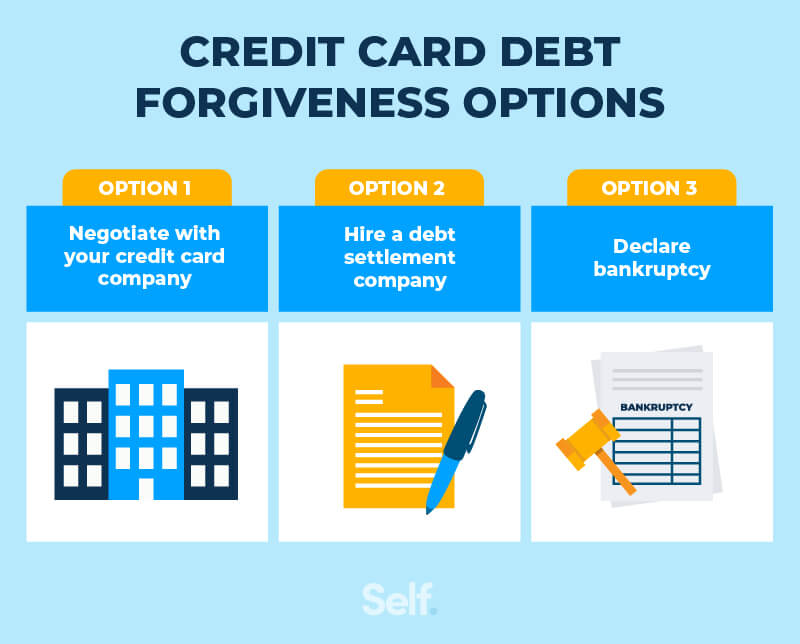
That releases up cash in the brief term, and you might have three to four years to conserve toward the negotiation amount. Really unsafe to credit history, mainly as a result of missed out on payments and a negative "cleared up" mark that can remain on your credit history record for up to 7 yearsMay be just alternative if other options (debt consolidation, balance transfer charge card, debt forgiveness) aren't possibleTypically calls for a fee to the third event, which might offset some or every one of the savings from financial obligation settlementMay help you prevent personal bankruptcy if you've missed several paymentsNot all creditors collaborate with debt settlement firms Debt mercy might be right for you if you are experiencing a monetary challenge that makes it nearly difficult to pay for your financial obligation balances.
With a DMP, you make one monthly repayment to the debt therapy agency. Those funds are after that distributed to financial institutions of your unsafe financial debts, such as charge card and installment loans. The agency collaborates with your creditors to decrease rate of interest or waive fees, however some lenders might reject such concessions.
It can assist you pay down financial obligation if you're able to protect a financing rate that's lower than the ordinary rate of the accounts you're combining. You have to abstain from racking up financial obligation on those recently cleared accounts or your financial obligation might grow also higher.
That offers you plenty of time to eliminate or dramatically decrease your equilibrium while making interest-free payments.
All About Being Cautious from Unethical Companies
You might require it if your creditor or a collection firm ever before attempts to collect on the financial debt in the future. When a lender forgives $600 or more, they are needed to send you Type 1099-C.
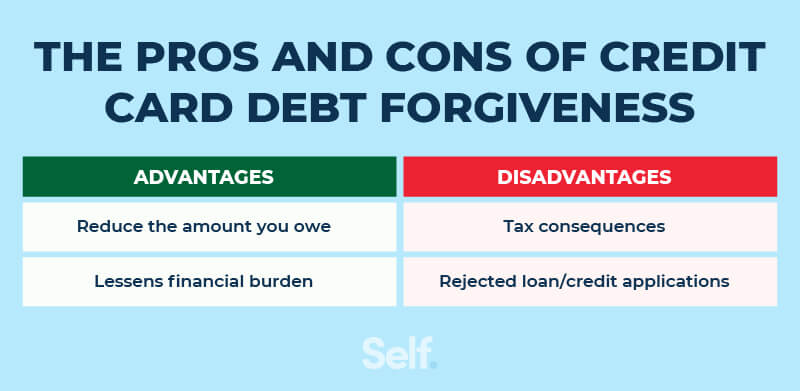
Financial debt forgiveness or negotiation generally hurts your credit score. Anytime you work out a financial debt for less than you owe, it might show up as "settled" on your credit history record and influence your credit rating for seven years from the day of negotiation. Your credit report can additionally drop considerably in the months resulting in the forgiveness if you fall back on payments.
An Unbiased View of Is It Worth Compared to DIY Approaches
Tax debt compromise programs Tax obligation financial obligation takes place when the amount of taxes you owe exceeds what you have actually paid. This scenario often arises from underreporting revenue, not submitting returns on time, or disparities discovered during an IRS audit. The consequences of gathering tax obligation financial debt are major and can include tax obligation liens, which provide the IRS a legal claim to your residential property as safety for the debt.
Higher rates of interest on readily available credit. Wages and Bank Accounts IRS can impose (seize) earnings and checking account to satisfy the financial debt. Lowered income and interruption of vital monetary procedures. Residential property Seizure In extreme situations, the IRS can confiscate and sell residential property to cover the financial obligation. Loss of important possessions and prospective variation.
Clinical depression, anxiousness, and various other mental wellness issues. Social Stigma Encountering lawsuit from the IRS can bring social preconception. Damage to credibility and partnerships. Work Opportunities A bad credit history because of tax financial obligation can restrict employment possibility. Difficulty searching for or keeping a work. Federal government Benefits Tax financial obligation might impact qualification for government advantages, such as Social Security and Medicaid.
The Best Guide To Complimentary Learning Debt Counseling Materials for Consumers
The OIC considers a number of aspects, consisting of the taxpayer's income, expenditures, property equity, and capability to pay. Effectively discussing an OIC can be complex, calling for a complete understanding of the internal revenue service's standards and a strong disagreement for why your offer lines up with your capability to pay. It is essential to note that not all applications are accepted, and the process requires in-depth monetary disclosure.
The IRS analyzes your overall economic scenario, including your earnings, expenses, asset equity, and capability to pay. You have to likewise be existing with all filing and payment demands and not be in an open personal bankruptcy proceeding. The internal revenue service additionally considers your conformity history, reviewing whether you have a record of timely filing and paying tax obligations in previous years.
Navigating Financial Fresh Starts and What You Need to Know Things To Know Before You Buy
The application process for a Deal in Compromise involves several thorough steps. Initially, you have to finish and send internal revenue service Type 656, the Offer in Concession application, and Kind 433-A (OIC), a collection info declaration for individuals. These forms need comprehensive economic details, including information about your earnings, financial obligations, expenditures, and properties.
Back taxes, which are unsettled taxes from previous years, can substantially increase your complete internal revenue service financial obligation otherwise addressed quickly. This financial obligation can accrue interest and late payment penalties, making the initial quantity owed a lot bigger with time. Failing to pay back taxes can result in the IRS taking enforcement actions, such as releasing a tax lien or levy against your home.
It is necessary to attend to back tax obligations as quickly as possible, either by paying the total owed or by organizing a payment plan with the IRS. By taking aggressive steps, you can stay clear of the build-up of extra rate of interest and fines, and avoid extra hostile collection actions by the internal revenue service.
One typical reason is the idea that the taxpayer can pay the sum total either as a swelling sum or through a layaway plan. The internal revenue service also considers the taxpayer's earnings, costs, possession equity, and future earning capacity. If these aspects indicate that the taxpayer can afford to pay greater than the offered amount, the internal revenue service is most likely to deny the deal.
Some Known Details About Unexpected Charges That Reputable Providers Eliminate
It is critical to supply precise and total info in your application and to talk to a tax expert to boost the possibilities of acceptance. Dealing with IRS financial obligation can be complex and challenging. Tax experts, such as CPAs, tax lawyers, or enrolled agents, can give vital assistance. They have the competence to navigate the ins and outs of tax regulation and internal revenue service treatments.

Table of Contents
Latest Posts

Staying Safe Against Bankruptcy Counseling Scams Things To Know Before You Buy
10 Simple Techniques For Community-Based Debt Forgiveness Organizations Reviewed
A Biased View of Post-Forgiveness Services and Peer Support
More
Latest Posts
Staying Safe Against Bankruptcy Counseling Scams Things To Know Before You Buy
10 Simple Techniques For Community-Based Debt Forgiveness Organizations Reviewed
A Biased View of Post-Forgiveness Services and Peer Support